
Speaking
Two talks for lawyers. One fee.
Both are about the part of the work nobody bills for: what it costs to keep judging well when the day keeps asking. I take a small number of engagements a year, so each one gets the preparation it needs.
Check a dateNational Speakers Association Carolinas 2026 Last Story Standing Competition — 3rd Place
Talk one
Where Is Your Energy Going?
How it gets built, where it goes, and how to manage it before it manages you.
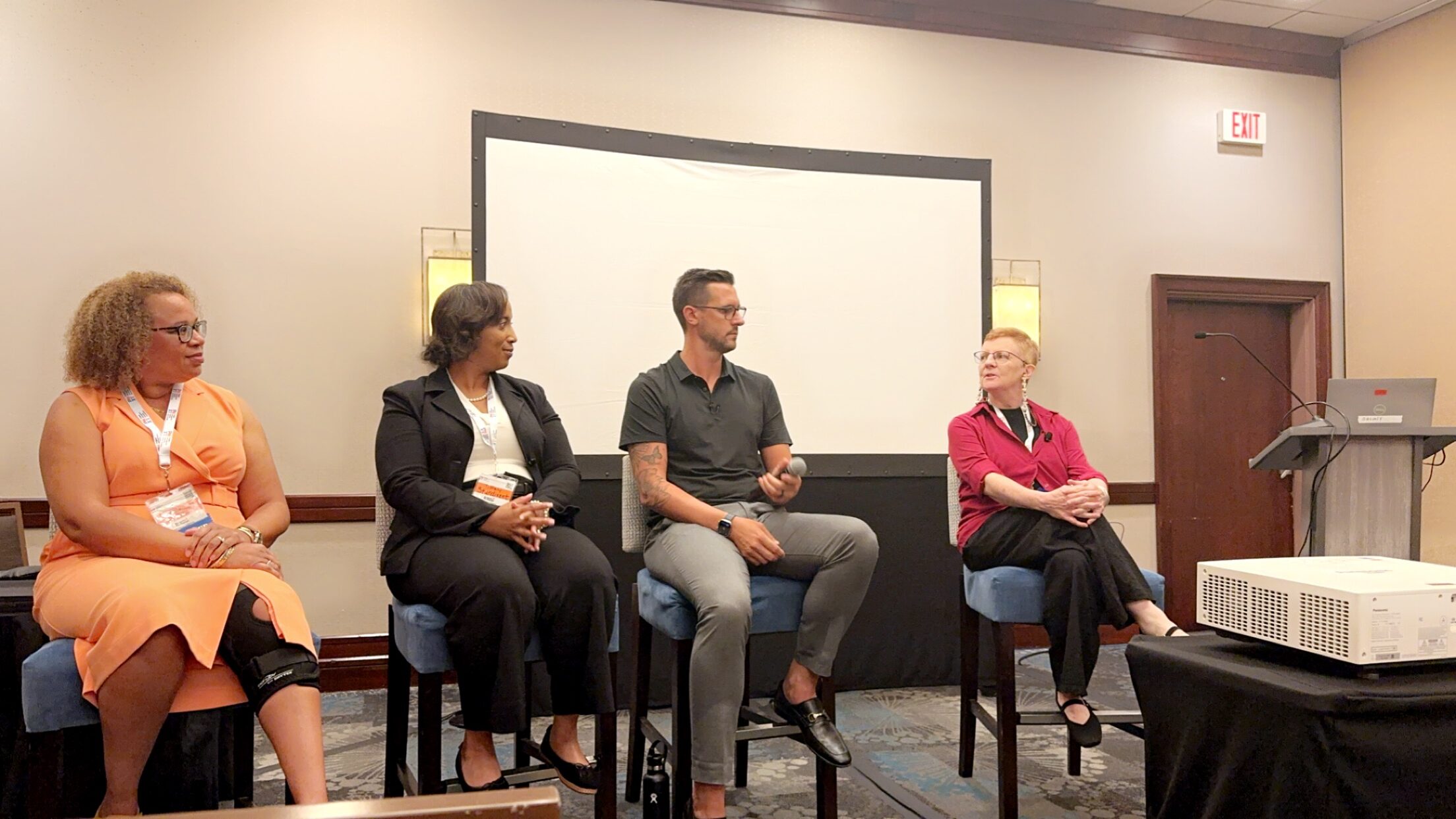
Who is in the room. Lawyers who are good at this — which is exactly why nobody is checking on them.
What is going wrong. Your strongest lawyers are not failing. They are doing the same excellent work and paying more for it every year. The cost lands somewhere specific: the detail that gets missed, the decisions that pile up undecided, the partner who is at every meeting and present in none of them.
Why it matters. Every one of those costs is an exposure — to the client, to the file and to the firm. Competence is not only what a lawyer knows. It is what a lawyer can still do at four o’clock on the day everything lands at once.
What changes.
- How energy gets built. Where capacity actually comes from, and why time off so often fails to give it back.
- Where it goes. Not a time audit. An honest look at what the work costs and what it returns.
- How to manage it. Do different, not more: specific moves that give capacity back without adding a practice, an app or another thing to fail at. And why your greatest strength is your biggest risk — the capacity you lean on most is the one you spend without noticing. Humor is the worked example: the instinct that relieves a room when you have margin is the one that cuts when you don’t.
This is not a wellness talk. Nobody is asked to breathe deeply, and nobody is told to try harder at resting.
Talk two
The Rule We Never Built
Discernment, loud evidence, and checks that don’t depend on you noticing.

Who is in the room. Careful people. Lawyers and decision-makers who already know their own judgment matters — which is the problem.
What is going wrong. The expensive part of legal work is not paying attention. It is the ruling: hundreds of small judgments a day about whether a thing counts. Each one is cheap. By four o’clock there are none left. And the criterion doing the sorting is invisible while you use it. It does not arrive as a judgment. It arrives as a fact about the world: “That is not a choice a person in his right mind makes,” not “I would not choose that.” Listen for the missing I.
Why it matters. The law has long known that some evidence is loud in a way unrelated to its truth. It built a rule to keep that evidence away from a jury. It never built the one that keeps it out of the decision-maker’s own head. In capacity work the trap is exact: if the answer a person gives becomes the evidence of whether he may give an answer, only approved answers demonstrate capacity.
What changes. A way to spot a substituted criterion in your own reasoning, and a check that does not depend on you noticing you need one. Participants will be able to:
- Identify the markers of a substituted criterion in their own reasoning.
- Distinguish process-based from outcome-based assessment of another person’s judgment, using the four decisional abilities.
- Locate one recurring decision in their own practice that has no check independent of the decider — and design one.
The honest part. This is not a wellbeing session or a research claim. It reorganises how you understand something you already do every day.
Also available
Built for your room
Tailored case studies and role plays
Ethics and decision-making, worked from more than one chair. I build cases for your audience in which every table holds a different duty, and one person holds the voice of the person the decision is about. Each case starts with an obvious answer. Then the facts move, twice. No answers are supplied: the room argues, and the disagreements are the content.
Ask about a tailored session →Planning Ahead So You Never Need Me as a GAL
For lawyers who draft estate plans, and lawyers who advise families and assume someone else drafted one. Plans get built for death, not for incapacity. When the plan fails, the court appoints a stranger to work out what your client would have wanted. That stranger is me. This talk covers the drafting and review moves whose absence I see repeatedly from inside live files, and the questions worth asking a client while they can still answer them.
Ask about this talk →Fees and booking
Keynote fees
| Keynote, in person | $5,000 |
| Half-day workshop | $10,000 |
| Keynote, virtual | $3,000 |
Travel and expenses are billed separately.
Tell me the organisation, the audience and the date. I’ll tell you within two working days whether it’s a fit.
Check a date1:1 coaching for lawyers
For the lawyer who is doing well on paper and can feel the cost.
Sometimes the room is not the right place. I work one to one with a small number of practising lawyers on the questions behind the work: where your energy is going, which decisions keep getting deferred, and the decision you keep circling. We work on your thinking, not on your cases. Places are limited.
Ask about coachingALLE LLC is separate from the Law Office of Ruth S. Pearce PLLC. Its services are not legal services, and the protections of an attorney-client relationship, including confidentiality and privilege, do not apply.
Drafted with AI assistance (Claude). The thinking, judgment, and final edit are mine. How I use AI.